












Book a Free Consultation with Our Expert
Building the comparition with Advanced GFRP Rebar

- About Fibros Venturre
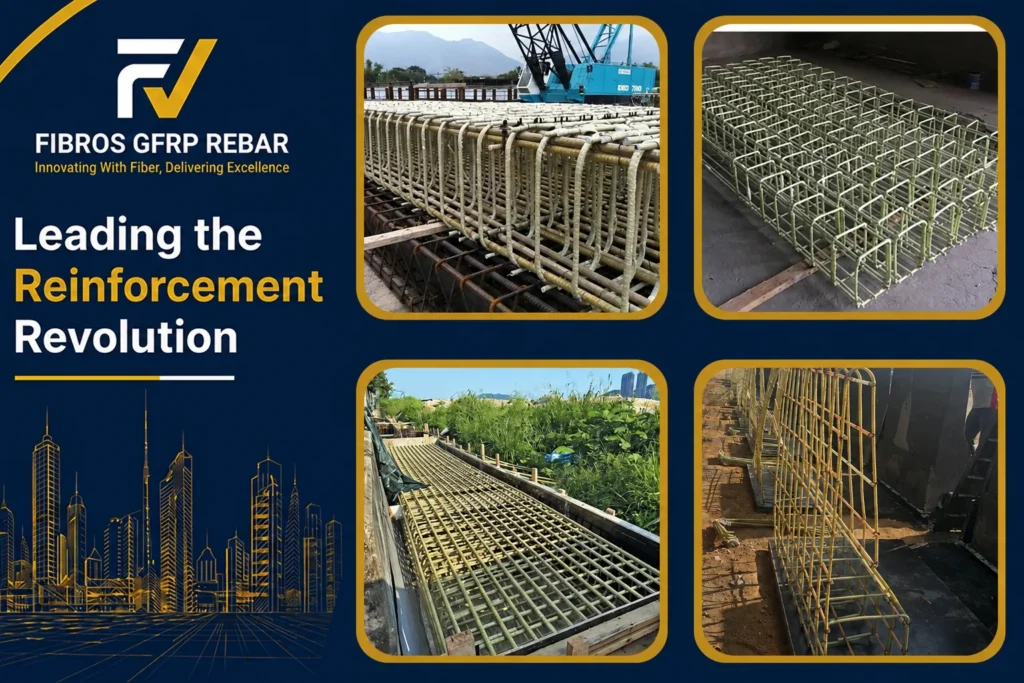
Leading the Reinforcement Revolution
At Fibros Vventurre, we provide high-quality GFRP solutions engineered for modern construction needs. Our products offer exceptional durability, corrosion resistance, and long-term cost savings, making them ideal for residential, commercial, industrial, and infrastructure projects.
With a focus on innovation and quality, we help build stronger, smarter, and more sustainable structures.
- Our GFRP Product Range
Innovative GFRP Products for Every Application
01
GFRP Rebar
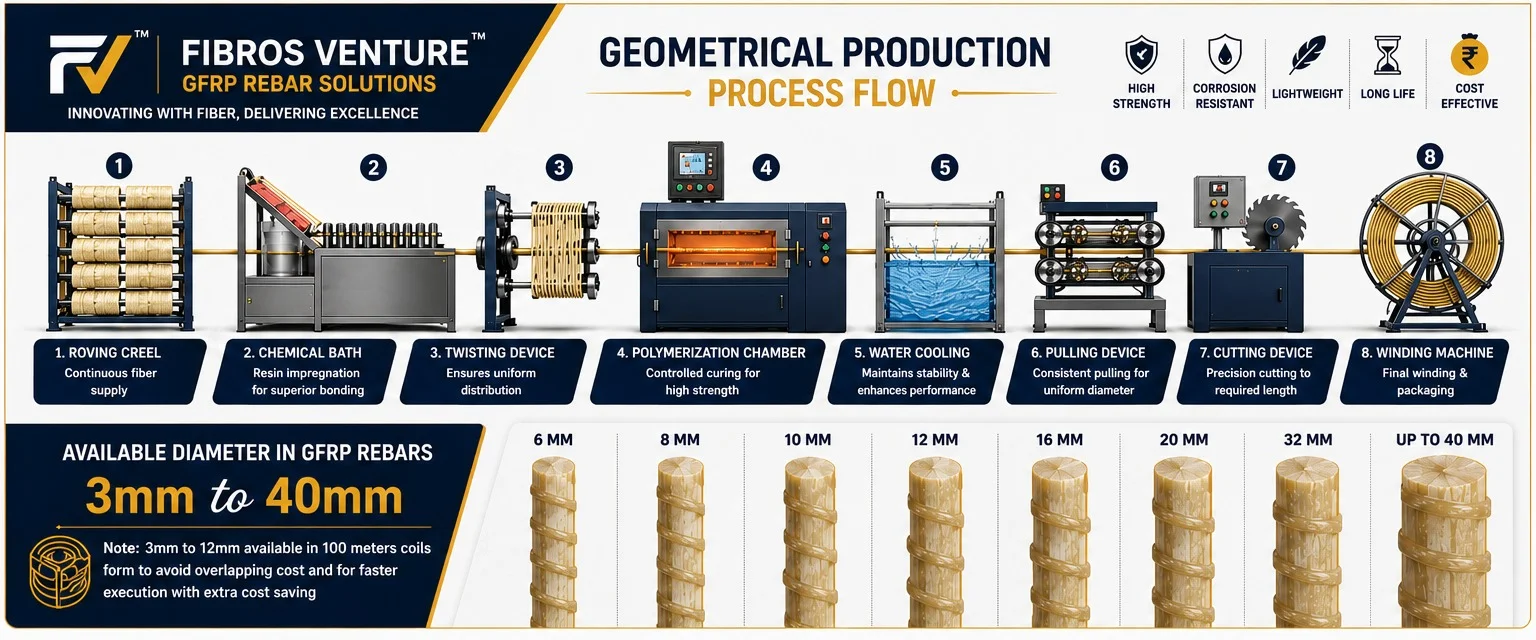
High-strength, corrosion-resistant reinforcement designed to replace traditional steel in concrete structures. Ideal for bridges, marine structures, water treatment plants, and other environments exposed to moisture and chemicals.
02
GFRP Bend
Our expert team provides professional GFRP design support, reinforcement detailing, bar selection, and technical guidance to ensure safe, durable, and cost-effective construction solutions for every project.
03
GFRP Rock Bolts
Engineered for reliable ground support in mining, tunneling, and underground construction projects. These non-corrosive bolts provide long-term stability and safety in challenging environments.
04
GFRP Structural Profiles
Strong, lightweight, and maintenance-free profiles for industrial, commercial, and infrastructure applications. Perfect for platforms, walkways, handrails, cooling towers, and corrosive environments.
05
GFRP designing Support
Advanced support structures specially designed for vegetable farming, vineyards, and vertical agriculture. Lightweight, weather-resistant, and long-lasting, they help improve crop support and farming efficiency.
Contact Us Today

- Why Choose GFRP Over Steel?
The Smart Alternative to Traditional Reinforcement


Advantages That Deliver Long-Term Value
At Fibros Vventurre, we believe that modern construction demands materials that offer not only strength and durability but also long-term economic and environmental benefits. Our GFRP solutions are engineered to outperform traditional materials and deliver exceptional value throughout the life of a structure.

Corrosion-Free Performance
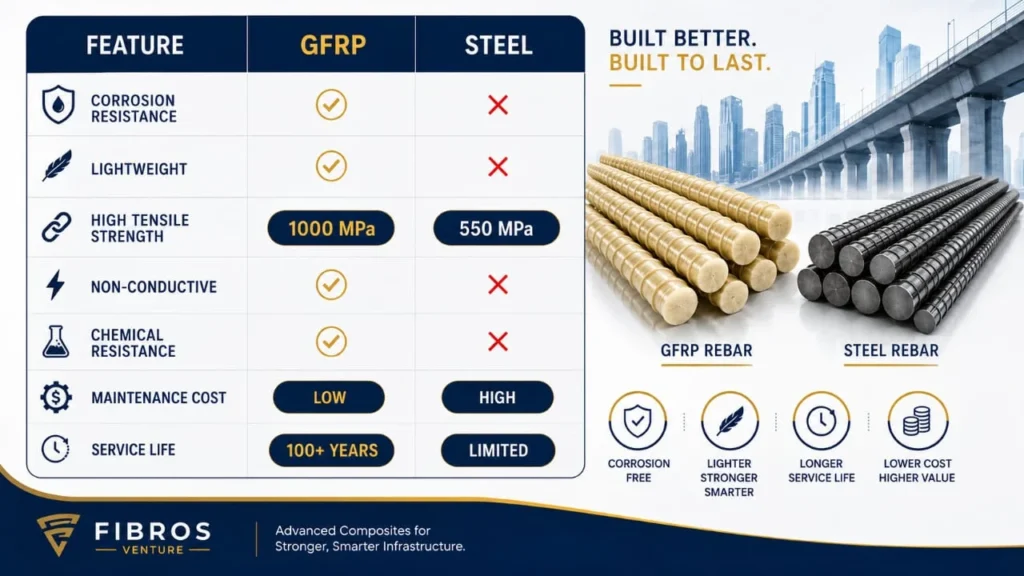
Unlike conventional steel reinforcement, GFRP is completely resistant to rust and corrosion. This makes it an ideal solution for structures exposed to water, moisture, chemicals, and harsh environmental conditions, such as bridges, marine structures, coastal projects, water treatment plants, and underground infrastructure. By eliminating corrosion-related damage, GFRP significantly extends the lifespan of structures.

High Strength for Demanding Applications
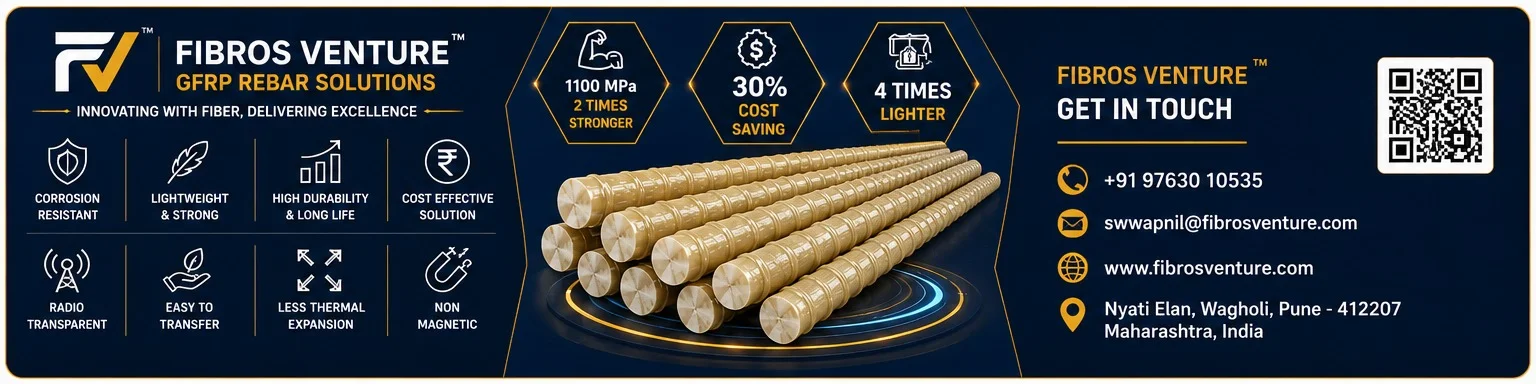
GFRP provides outstanding tensile strength, often exceeding that of traditional steel reinforcement. Its superior load-bearing capacity ensures reliable performance in demanding residential, commercial, industrial, and infrastructure projects, helping create stronger and safer structures.

Light Weight Design for Easy Handling
Being up to 75% lighter than steel, GFRP is easier to transport, handle, and install. Its lightweight nature reduces transportation costs, minimizes labor requirements, and enables faster project execution without compromising structural performance.

Cost-Efficient Solution
Although GFRP offers premium performance, it also helps reduce overall project costs. With minimal maintenance requirements, no corrosion-related repairs, and a longer service life, GFRP significantly lowers lifecycle costs and provides excellent long-term return on investment.

Non-Conductive and Non-Magnetic Properties
GFRP does not conduct electricity and is non-magnetic, making it an ideal reinforcement solution for power plants, substations, hospitals, laboratories, airports, and other specialized facilities where electromagnetic interference must be minimized.

Sustainable Construction for the Future
GFRP supports environmentally responsible construction by reducing maintenance needs, extending service life, and minimizing material replacement over time. Its durability contributes to sustainable infrastructure development and helps create resilient structures for future generations.
- Industries We Serve
Solutions for Diverse Industries case study
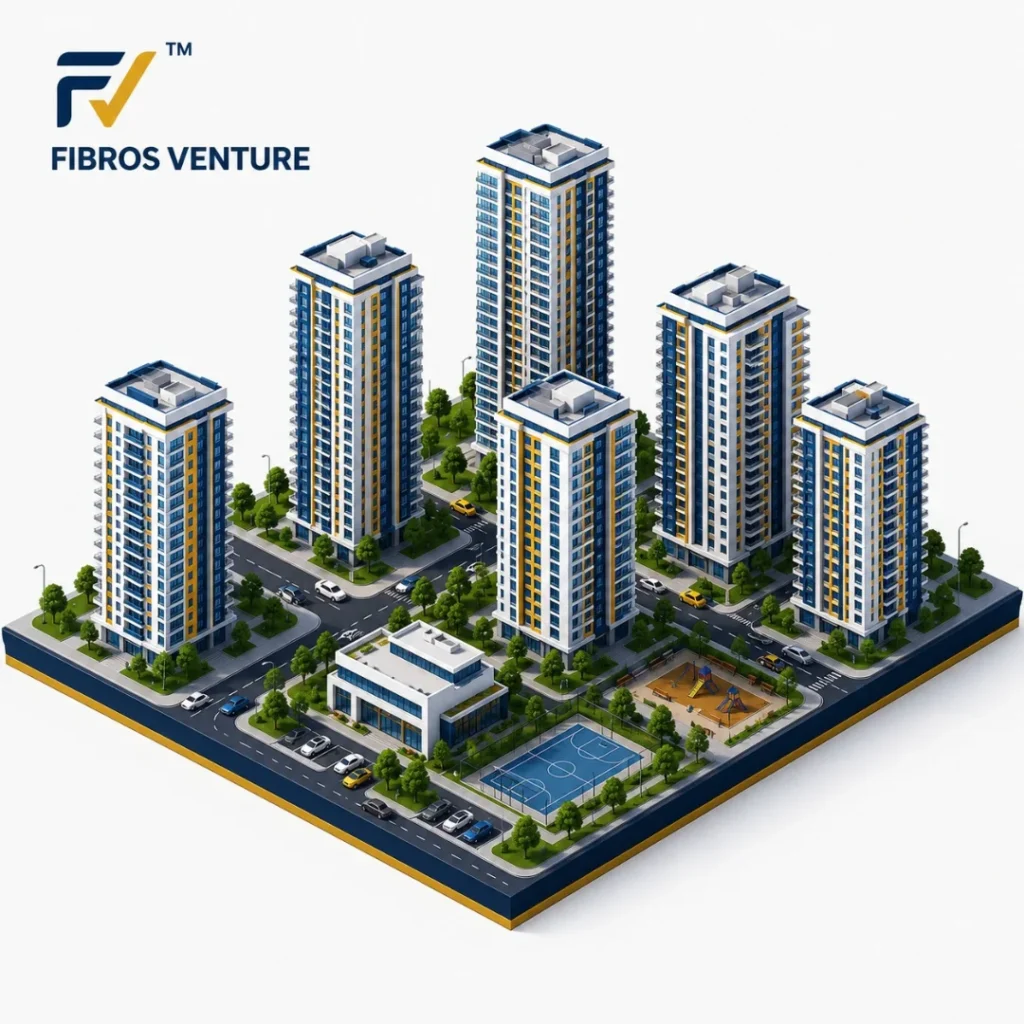
Residential Construction
Commercial Buildings
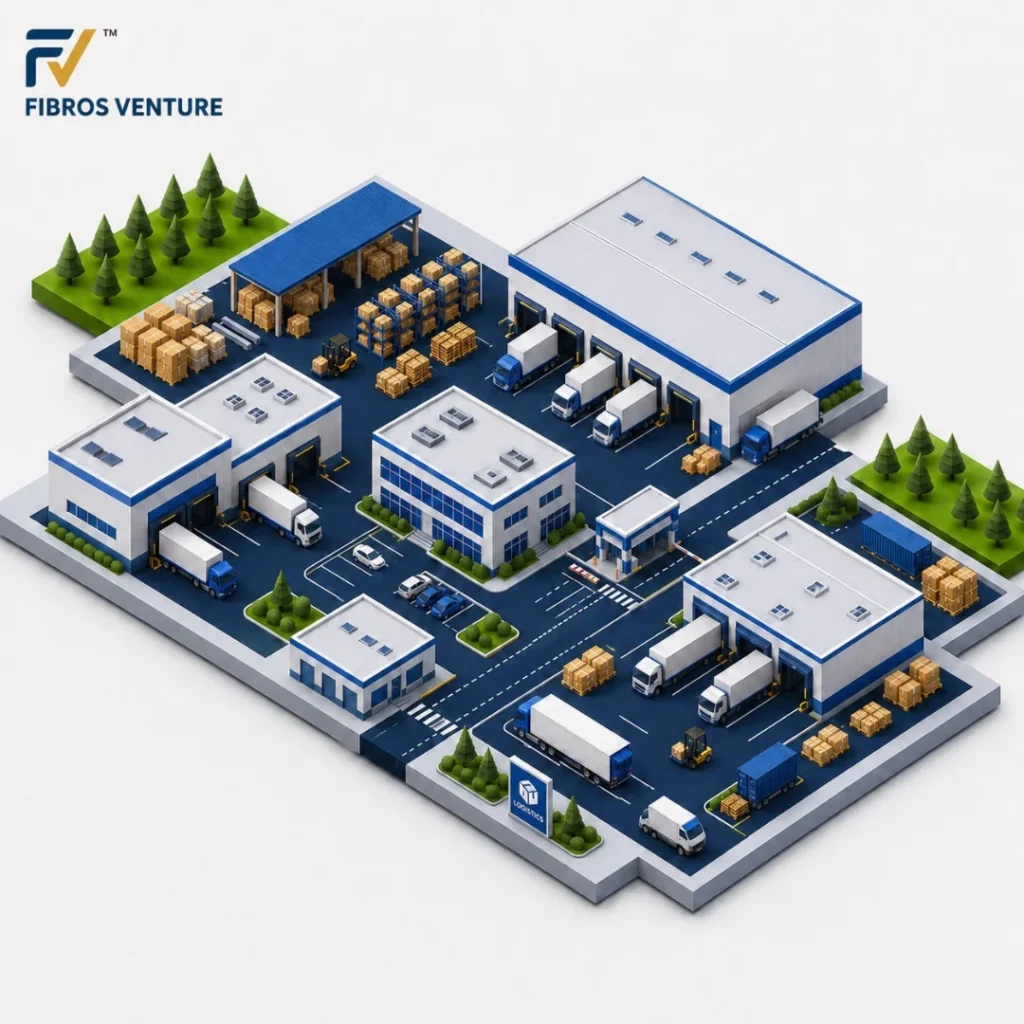
Warehouses storage facilty
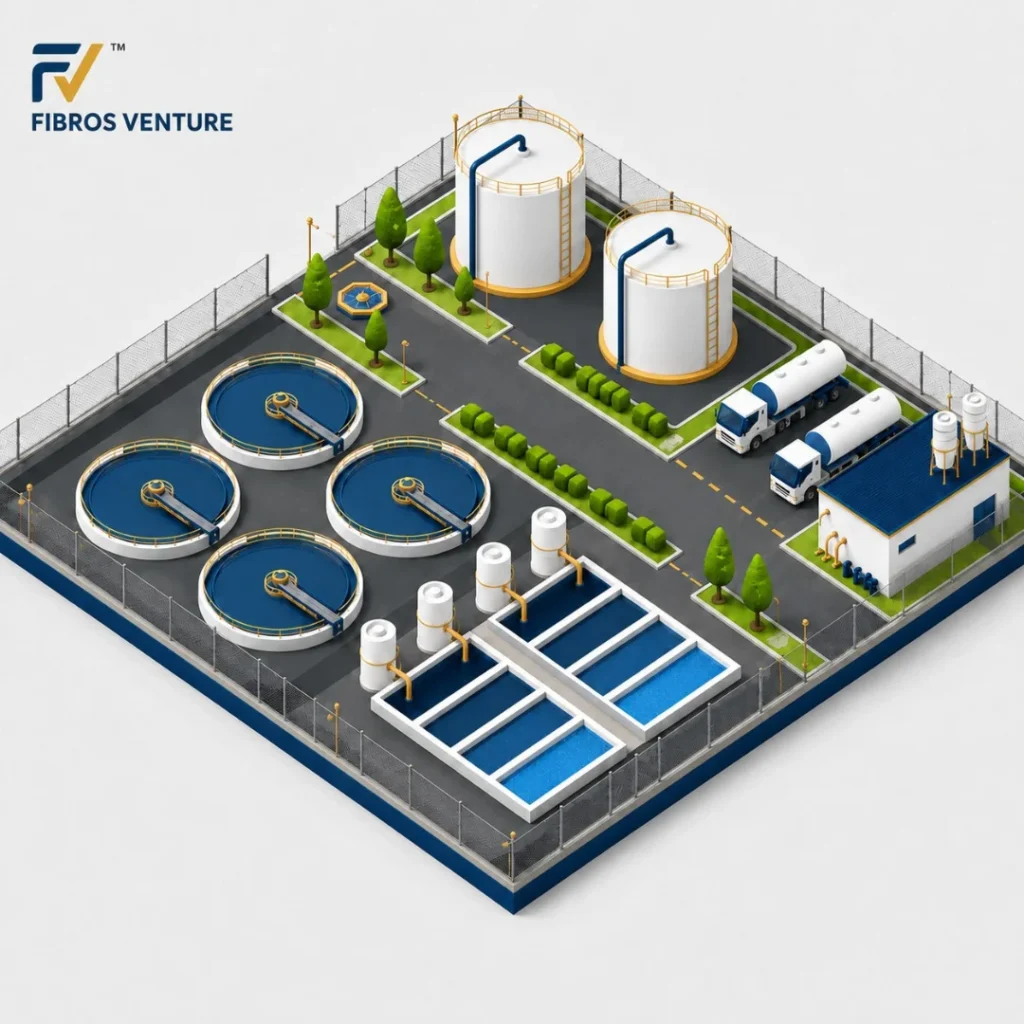
Water Treatment Plants
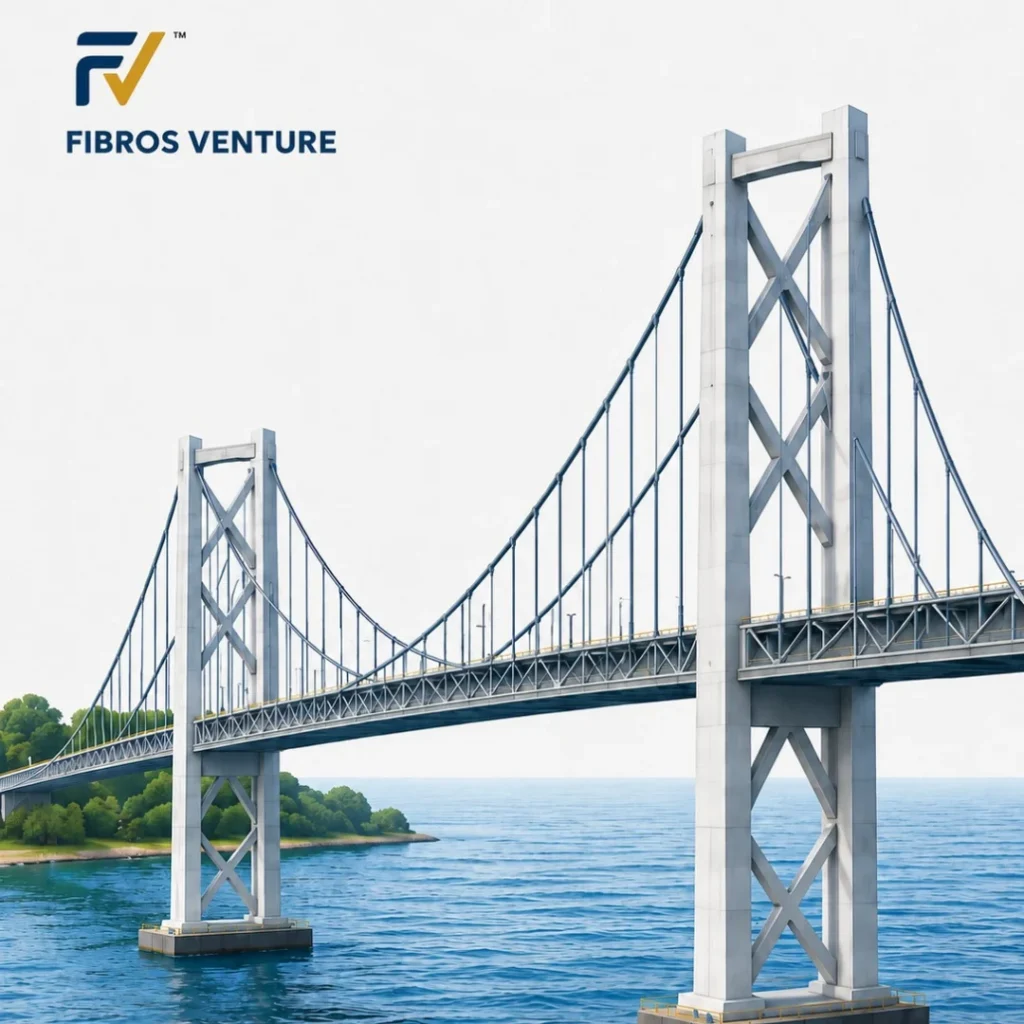
Bridges & Flyovers
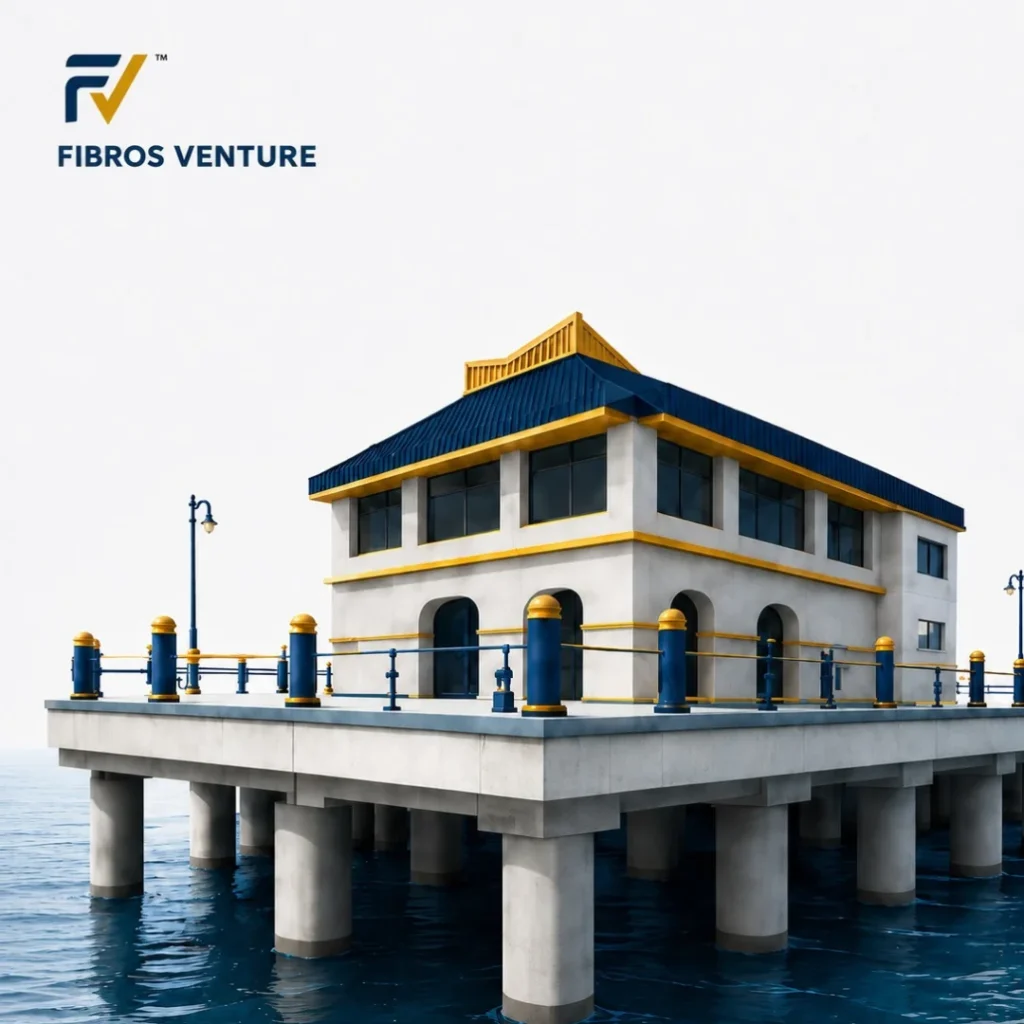
Marine Structures
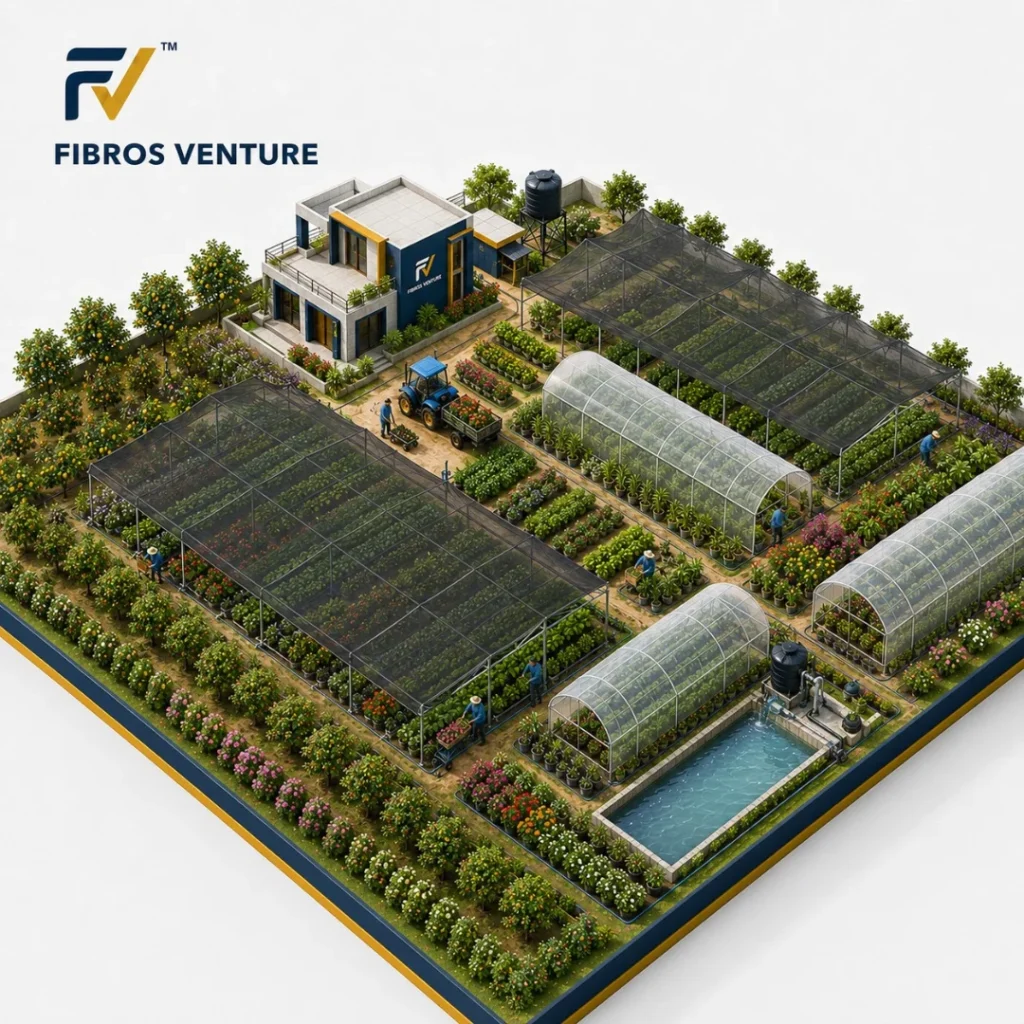
Agriculture & Farming
Industrial Facilities
Precast Structures
Railway and Metro Projects
- CONTACT US
Get In Touch
Build stronger with high-performance GFRP rebar. Tell us about your project, and our team will recommend the right solution, prepare a competitive quote, and provide expert technical guidance.
- swwapnil@fibrosvventurre.com
- 97630101535
- Nyati Elan,G4,Marley, Flat no.103 JSPM Road, Wagholi Pune (412207)
- Industries We Serve
Hear From Our Happy Clients


Have Any Questions? We’re Here to Answer Them
How does the stress–strain behavior of GFRP Rebar differ from steel reinforcement?
GFRP Rebar exhibits a linear-elastic behavior up to failure without yielding, unlike steel, which has a distinct yield plateau. This means GFRP fails in a brittle manner, requiring design approaches based on ultimate strain limits rather than yield strength.
How is the bond strength between GFRP Rebar and concrete evaluated in structural design?
Bond strength is assessed through pull-out tests and depends on surface treatment, resin type, and bar deformation pattern. Design codes often apply bond reduction factors since GFRP does not chemically interact with concrete as steel does.
What are the key limitations of GFRP Rebar in structural design codes?
Major limitations include lower modulus of elasticity, lack of ductility, reduced shear contribution, and strict serviceability controls such as crack width and deflection limitations in ACI and other international standards.
How does creep rupture affect the long-term performance of GFRP Rebar?
GFRP is susceptible to creep rupture under sustained loads, especially in aggressive environments. Therefore, long-term strength reduction factors are applied in design to ensure safety over the structure’s service life.
Can GFRP Rebar be effectively used in seismic zones?
Its use in seismic applications is limited due to its brittle failure mode and lack of plastic deformation. However, it can be used in non-critical seismic elements or hybrid systems where ductility is provided by other materials.
How does the modulus of elasticity of GFRP influence deflection in reinforced concrete members?
Since GFRP has a lower modulus (typically 20–25% of steel), reinforced members exhibit higher deflections under service loads, making serviceability design a controlling factor.


